 hua o waho shuangye

Kupu Whakataki: Navigating the Exciting World of Paihikara E
With technology shaping the world at an incredible pace, Ko te ao o te waka kei te whakahaere i te hurihanga kaore i kitea. At the heart of this transformation lies the electric bicycle, or the e-bike. A seamless blend of a conventional bicycle and a motorized scooter, e-bikes are steadily gaining traction across the globe.
Understanding how far an e-bike can travel on a single charge, commonly referred to as its riding range, is pivotal for both potential e-bike buyers and current users. Tenei aratohu matawhānui, containing more than 2500 words, is designed to explain the nitty-gritty of e-bike riding range, providing answers to all your questions while clarifying common misconceptions.
Unpacking the Concept: What is an E-Bike’s Riding Range?
An e-bike’s riding range, in its simplest definition, denotes the distance it can cover on a single charge. This range is not fixed, and can vary greatly depending on a host of influencing factors. Understanding what these factors are, and how they come into play, is crucial for anyone looking to optimize their e-bike experience.
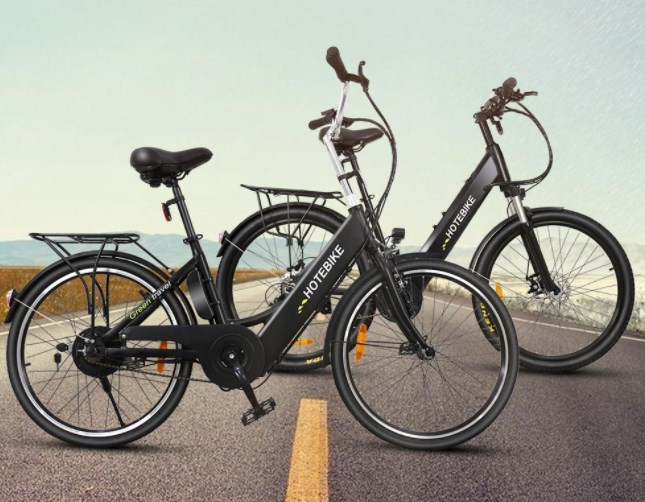 Unraveling the Factors Influencing E-pahikara Riding Range
Several elements come together to determine an e-bike’s riding range. Each of these factors can impact the range either individually or in conjunction with others, making the entire scenario complex yet intriguing.
1.Raukaha Pūhiko: At the core of an e-bike’s riding range lies its battery capacity. The higher the capacity of the battery, the more power it can store and supply, and consequently, the longer the e-bike can run.
2.Taumaha: The weight the e-bike needs to carry also significantly influences the range. This weight includes not only the bike’s own weight but also the rider’s weight and the weight of any cargo being carried. The more the weight, the more energy the e-bike needs to expend, which can shorten the range.
3.Terrain: Riding conditions and terrain type also play a pivotal role. An e-bike will use more power while navigating steep inclines or rough terrains, leading to a quicker battery drain.
4.Weather Conditions: Extreme weather conditions, particularly cold temperatures, can reduce battery performance, thereby shortening the e-bike’s range.
5.Level of Assistance: E-bikes usually come with multiple levels of pedal assist. The higher the level of assistance used, the more the battery drains.
Nga Whakaritenga Rautaki hei Whakaroa i te Awhe E-Pahikara o to E-Pahikara
Mena kei te pirangi koe ki te whakanui ake i to awhe eke paihikara, he maha nga rautaki ka taea e koe te whakamahi. Ko etahi o enei ko:
1.Arotauhia te Awhina Pedal: Ko nga paihikara hiko he rereke nga taumata o te awhina hikoi. Mena kei te hiahia koe ki te whakanui ake i to awhe, whakaaro ki te whakamahi i te taumata iti o te awhina. Ka nui ake te whakapau kaha o te tinana engari ka tiakina te ora o te pākahiko.
2.Kia mau tonu te Pehenga Tire Pai: Ka taea e te pehanga potae tika te awe i te awhe o to e-pahikara. Ko nga potae kei raro i te pupuhi ka nui ake te parenga hurihuri, ka tere ake te rere o te pākahiko.
3.Whakaitihia te Taumaha: Ko te mama ake te kawenga, ka roa ake te awhe. Ngana ki te whakaiti i te taumaha e mau ana koe – nau ake me nga utanga katoa.
4.Kāhua eke Smooth: Maeneene, he pai ake te kaha o nga momo eke hoiho i nga momo kaitaa. Ko te karo i nga tu me te tiimata ka taea hoki te tiaki i te ora o te pākahiko.
Te whakakore i nga pohehe noa e pa ana ki te Awhe E-Pahikara
Te ahumahi e-pahikara, te ahua oho, kei te ki tonu i nga whakaaro pohehe, otira mo te awhe eke paihikara-e. Anei etahi pohehe noa me te pono kei muri i a raatau:
1.Ko te Awhe kua kiia ko te Pumau: Ko tetahi pohehe noa ko te awhe e kiia ana e te kaihanga ko te tino morahi ka taea e te e-pahikara te haere. Hoianō, he maha nga wa ka tatauhia tenei awhe i raro i nga tikanga pai. He rereke nga ahuatanga o te ao, me te hua, ka iti ake pea te awhe tūturu.
2.He Awhe Ōrite nga E-pahikara katoa: Ko tetahi atu pohehe he rite tonu te awhe eke paihikara katoa. Hoianō, ka rereke pea te awhe i runga i nga ahuatanga penei i te kaha o te pākahiko, hoahoa pahikara, me etahi atu.
He Tirohanga Mo Nga Ra kei te heke mai: Te Awhe E-Pahikara E whanake ana
I te mea e haere tonu ana te hangarau i tana hikoi whakamua, he pai te ahua o te heke mai o te awhe eke paihikara. He maha nga ahunga whakamua kei runga i te waahi ka taea te huri i te kaupapa o te awhe e-pahikara:
1.Nga Innovations i roto i te Hangarau Pūhiko: Ko nga ahuatanga hou o te hangarau pākahiko e oati ana kia nui ake te kaha o te kaha, Ko te tikanga ka taea e nga e-pahikara a meake nei te penapena me te whakamahi i te hiko ake me te kore e nui haere te taumaha.
2.Te Whakapai ake: Nga mahi hou mo te pai o te motuka, aerodynamics, me te aatete okeoke ka whai waahi ano ki te piki ake o te awhe.
3.Te Tiputanga o nga Hanganga Utu Katoa: Ko te waatea me te waatea o nga teihana utu ka whai waahi nui ki te whakanui ake i nga taputapu e-pahikara, tuku mo nga haerenga roa me te kore e mataku ki te paheketanga o te pākahiko.
Whakamutunga: Paihikara E – Te heke mai o te Taone Taone
Hei whakatau, understanding an e-bike’s riding range and the factors affecting it is vital for every e-bike user. By comprehending these intricacies and managing them effectively, riders can make the most of their e-bike’s capabilities. As the world gravitates towards greener and more sustainable modes of transportation, e-bikes are undoubtedly set to play a central role in the urban mobility landscape.
FAQ : Frequently Asked Questions about E-Bike Riding Range
Question 1: How can I maximize my e-bike’s riding range? Answer: By managing the level of pedal assist, maintaining proper tire pressure, minimizing weight, and employing a smooth, steady riding style, you can maximize your e-bike’s riding range.
Question 2: How does weather impact the e-bike’s riding range? Answer: Cold weather can decrease the battery’s performance, na reira ka whakapoto i te awhe eke. Waihoki, ko te eke ki nga hau kaha ka nui ake te kaha, te whakaiti i te awhe.
Question 3: Kei reira nga paihikara hiko me te awhe roa atu e waatea ana? Answer: Āe, Ko etahi tauira teitei me nga pākahiko nui ake e tuku ana i te awhe roa ake. Hoianō, nga mea penei i te taumaha o te kaieke, whenua, a ka pa tonu nga ahuatanga o te rangi ki te tawhiti tonu e hipokina ana.
Ma te whakakore i te kaupapa o te awhe eke paihikara-e me te whakakore i nga whakaaro pohehe, Ko te whainga o tenei aratohu ki te whakarato i te maaramatanga hohonu mo tenei waahanga nui o te whakamahi paihikara hiko. Mau pu ki tenei matauranga, ka taea e koe te whakanui ake i te kaha o to e-pahikara me te whai waahi ki te oranga tonutanga.